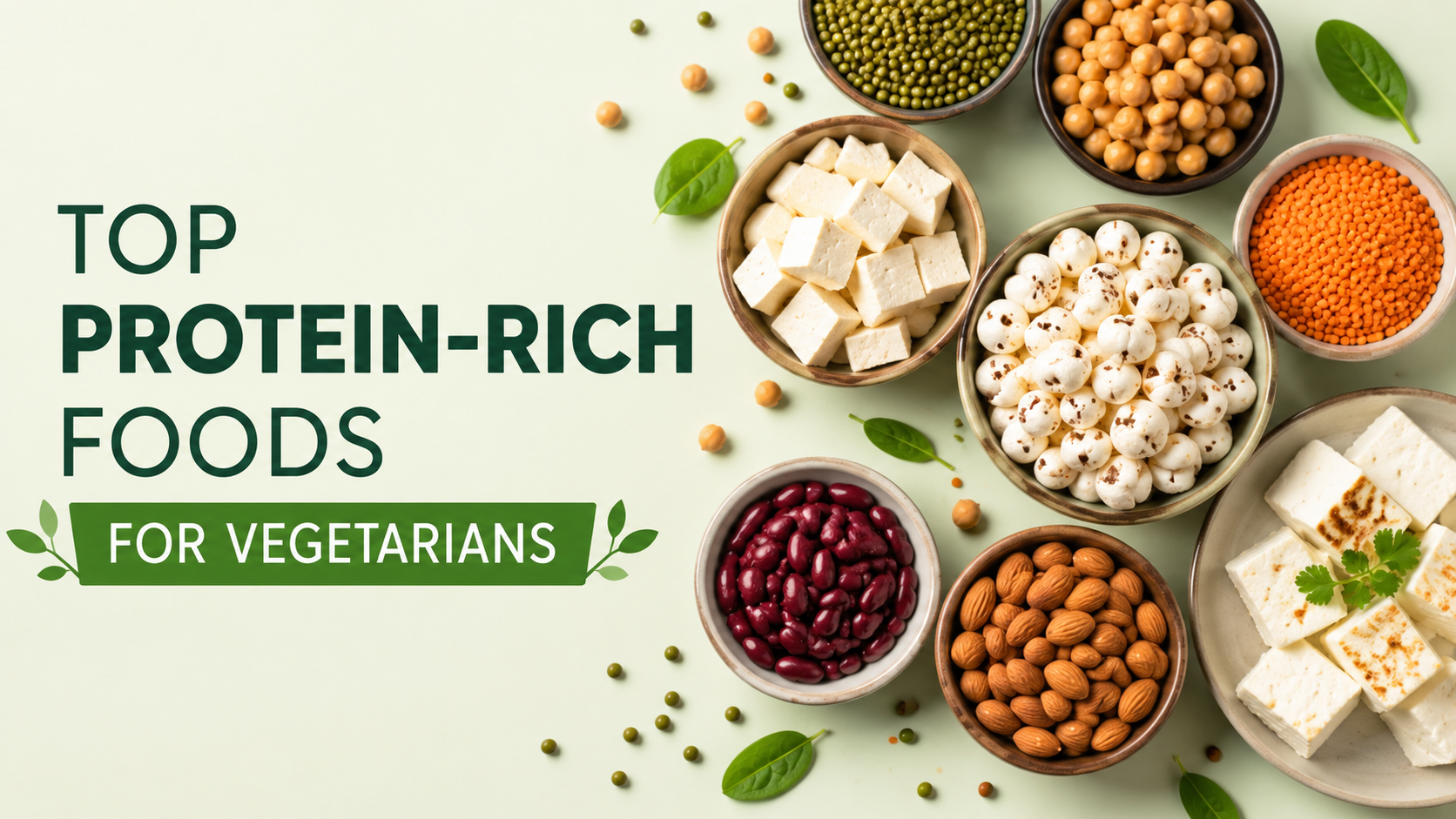
Top Protein-Rich Foods for Vegetarians
Protein is one of the most important nutrients for the human body. It helps build muscles, repair tissues, strengthen immunity, and keep you feeling full for longer. Many people believe that getting enough protein is difficult on a vegetarian diet, but that’s not true. There are plenty of vegetarian foods that are rich in protein and can easily meet your daily nutritional needs.
In this article, we’ll explore the best protein-rich foods for vegetarians, including the popular superfood Makhana.
Why Protein Is Important
Protein plays several important roles in the body:
- Supports muscle growth and recovery
- Helps repair body tissues
- Strengthens the immune system
- Keeps you full and reduces unnecessary snacking
- Supports healthy skin, hair, and nails
The average adult should aim for approximately 0.8 to 1 gram of protein per kilogram of body weight daily. People who exercise regularly may need even more.
1. Lentils (Dal)
Lentils are among the best vegetarian protein sources available. They are affordable, nutritious, and commonly used in Indian households.
Protein Content
- About 18 grams of protein per cooked cup
Benefits
- Rich in fiber
- Supports digestion
- Helps maintain stable blood sugar levels
- Packed with iron and folate
Popular varieties include Masoor Dal, Moong Dal, Toor Dal, and Urad Dal.
2. Chickpeas (Chana)
Chickpeas are versatile legumes that can be used in curries, salads, and snacks.
Protein Content
- About 15 grams of protein per cooked cup
Benefits
- High in fiber
- Promotes heart health
- Keeps you full for longer
Roasted chana is also a healthy high-protein snack option.
3. Paneer (Cottage Cheese)
Paneer is one of the most popular protein-rich foods among vegetarians.
Protein Content
- About 18-20 grams of protein per 100 grams
Benefits
- Rich in calcium
- Supports muscle growth
- Helps maintain bone health
You can include paneer in curries, salads, sandwiches, and wraps.
4. Soybeans
Soybeans are considered one of the highest-quality plant-based protein sources.
Protein Content
- About 28 grams of protein per cooked cup
Benefits
- Contains all essential amino acids
- Supports muscle development
- Rich in iron and calcium
Soybeans can be consumed as soy chunks, soy milk, tofu, or roasted soy nuts.
5. Tofu
Tofu is made from soy milk and is a great alternative to paneer.
Protein Content
- About 10-15 grams of protein per 100 grams
Benefits
- Low in calories
- Rich in protein
- Suitable for vegans
Tofu can be grilled, stir-fried, or added to salads and curries.
6. Makhana (Fox Nuts)
Makhana has become increasingly popular among health-conscious people due to its nutritional value and versatility.
Protein Content
- Around 9-10 grams of protein per 100 grams
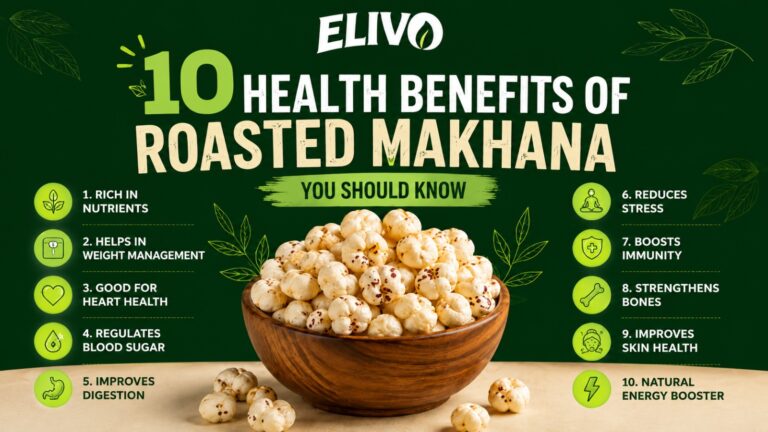
Benefits
- Low in calories and fat
- Rich in antioxidants
- Supports weight management
- Gluten-free snack option
- Good source of magnesium and calcium
How to Eat Makhana
- Dry roasted with spices
- Added to trail mixes
- Used in curries
- Included in healthy snack recipes
Makhana is an excellent evening snack for people trying to lose weight while increasing protein intake.
7. Greek Yogurt (Hung Curd)
Greek yogurt contains more protein than regular curd and makes a healthy addition to any diet.
Protein Content
- About 10 grams of protein per 100 grams
Benefits
- Supports gut health
- Rich in probiotics
- Helps improve digestion
Enjoy it with fruits, nuts, or smoothies.
8. Quinoa
Quinoa is often called a complete protein because it contains all nine essential amino acids.
Protein Content
- About 8 grams of protein per cooked cup
Benefits
- Gluten-free
- Rich in fiber
- Supports muscle recovery
It can be used as a substitute for rice in many meals.
9. Peanuts
Peanuts are one of the easiest and most affordable protein-rich snacks.
Protein Content
- About 25 grams of protein per 100 grams
Benefits
- Rich in healthy fats
- Supports heart health
- Provides long-lasting energy
Peanut butter is also a convenient option for increasing protein intake.
10. Almonds
Almonds provide a good combination of protein, healthy fats, and essential nutrients.
Protein Content
- About 21 grams of protein per 100 grams
Benefits
- Supports brain health
- Rich in Vitamin E
- Good for skin and hair
A handful of almonds makes a healthy daily snack.
11. Kidney Beans (Rajma)
Rajma is a favorite protein source in many Indian households.
Protein Content
- About 15 grams of protein per cooked cup
Benefits
- High in fiber
- Supports digestive health
- Provides sustained energy
Rajma rice remains one of the most nutritious vegetarian meals.
12. Green Peas
Green peas are often overlooked but contain a surprising amount of protein.
Protein Content
- About 8 grams of protein per cooked cup
Benefits
- Rich in vitamins and minerals
- Supports heart health
- Easy to add to various dishes
Sample High-Protein Vegetarian Day
Breakfast
- Moong Dal Chilla
- Greek Yogurt
Mid-Morning Snack
- Roasted Makhana
Lunch
- Rajma or Dal
- Brown Rice
- Salad
Evening Snack
- Roasted Chana and Peanuts
Dinner
- Paneer or Tofu Curry
- Whole Wheat Roti
- Mixed Vegetables
Tips to Increase Protein Intake
- Include protein in every meal.
- Snack on roasted makhana, chana, or peanuts.
- Add paneer or tofu to salads.
- Choose Greek yogurt instead of regular curd.
- Include different types of lentils throughout the week.
- Combine cereals and legumes for better protein quality.
Conclusion
Following a vegetarian diet does not mean compromising on protein intake. Foods like lentils, paneer, tofu, soybeans, chickpeas, rajma, almonds, and makhana can provide plenty of protein while offering numerous health benefits. By including a variety of these foods in your daily meals, you can easily meet your protein requirements and support overall health, fitness, and weight management.